
 |
This year in April, Spain’s average rainfall amounted to 14.2 millimeters, a decrease of nearly 79 percent compared to April 2022. Spain shows extreme drought levels across the region’s croplands, rising issues across the country and in the EU.
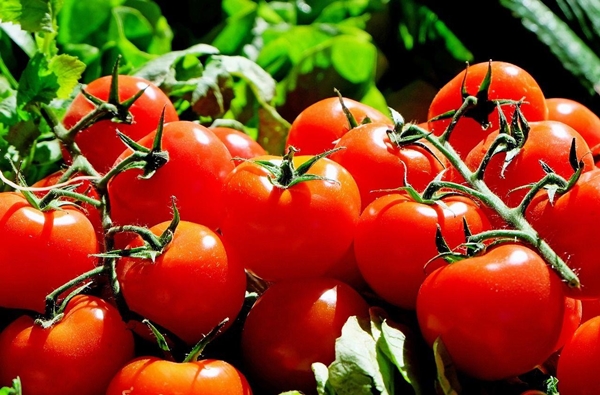
Spain is a top producer of fruits and vegetables in the European Union, producing approximately 16 million tons annually from wheat, barley, rice, and olive oil. In particular, the country’s tomato crop is vulnerable to drought as it is crucial for its development and survival throughout the season. Spain is the world’s third-largest exporter of tomatoes, with an annual value of over $1 billion. In addition to the harsh conditions for tomatoes, water supplies were strictly rationed in the country, putting crop production even at risk.
 |
Due to the decreased production, the high food price inflation, which has been registering double-digit rates across the European Union, will worsen by raising fresh produce prices. EU food costs have increased by 31% since January 2020 as global food price inflation began accelerating.
Spain is experiencing a drought exacerbated by the scorching weather. The province of Extremadura, a leading tomato-producing area, has experienced temperatures over nearly 9 degrees Celsius higher than the historical average. Since 2022, the drought situation in Spain has worsened. Therefore, more research should be conducted to overcome the drought crisis to increase the production of fruits and vegetables in Spain. In addition, countries worldwide should discover a way to decrease these natural phenomena that could significantly strike the Earth.
김담은 강남포스트 학생기자 webmaster@ignnews.kr
<저작권자 © 강남포스트, 무단 전재 및 재배포 금지>
 ‘제3회 역삼1동 어울림 한마당 축제’


