
 |
Microplastics (MPs) have recently gained significant attention due to their widespread presence and harmful environmental and human health effects. Studies in recent years have shown that MPs are not only contaminating oceans and rivers but are also found in everyday sources such as drinking water, food, and even the air we breathe. Alarming discoveries, like the 2022 study published in Environment International that detected microplastics in human blood for the first time, have intensified concerns about their potential long-term health impacts. These findings highlight the urgency of addressing microplastic pollution before its effects become more widespread and damaging.
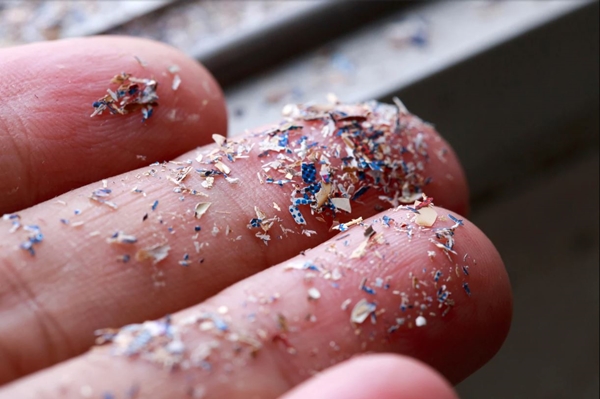
Microplastics (MPs) are tiny plastic particles less than 5 millimeters in diameter that originate from two sources. Primary MPs are intentionally manufactured small and are often found in cosmetics, exfoliants, and industrial products. Secondary MPs result from the degradation of larger plastic items, like water bottles and fishing nets, into smaller particles due to exposure to environmental factors such as sunlight and ocean waves. These tiny particles then infiltrate ecosystems, where they become nearly impossible to remove, leading to long-lasting damage.
 |
| https://media-cldnry.s-nbcnews.com/image/upload/t_fit-1500w,f_auto,q_auto:best/rockcms/2022-04/220407-microplastics-stock-ac-756p-83361f.jpg |
The dangers posed by microplastics to human health and the environment are grave. Studies have uncovered the presence of MPs in human organs, tissues, and even lungs, sparking worries about inflammation, exposure to toxic chemicals, and potential hormone disruption. Marine life is also under threat from microplastics, as animals often mistake them for food, leading to malnutrition, digestive blockages, and death. MPs can also absorb harmful chemicals from their surroundings, which may then enter the food chain when contaminated seafood is consumed by humans.
Addressing the problem of microplastics requires concerted efforts. One solution is to reduce the use of single-use plastics and opt for reusable alternatives. Another key measure is to upgrade wastewater treatment plants to better capture microplastics before they enter waterways. Promoting research into biodegradable materials and plastic alternatives can also help reduce reliance on harmful plastics. Policies that limit plastic waste, like banning microbeads in cosmetics or improving recycling systems, are also essential steps toward alleviating the issue.
To prevent further pollution from microplastics, individuals can take immediate and impactful actions. Start by reducing personal plastic use-choose reusable bags, avoid products with microbeads, and recycle as much as possible. Support brands that prioritize sustainable packaging, and advocate for stronger local and national policies aimed at reducing plastic waste. Encourage businesses to manage plastic waste responsibly and spread awareness of the dangers of microplastics. Through small but conscious efforts, we can all play a significant role in reducing plastic pollution and protecting both human health and the environment from its harmful effects.
신주호 강남포스트 학생기자 webmaster@ignnews.kr
<저작권자 © 강남포스트, 무단 전재 및 재배포 금지>
 ‘제3회 역삼1동 어울림 한마당 축제’


