
 |
The AI chatbot ChatGPT has recently seen a surge in popularity due to its ability to generate images in the style of Studio Ghibli. Its capacity to effortlessly recreate the distinct emotional and visual aesthetic of Japan’s renowned animation studio has captured the attention of a growing number of users worldwide.
While this advancement in AI technology has opened new possibilities in creative expression, it has also raised concerns regarding copyright infringement. In particular, the generation of Ghibli-inspired content by ChatGPT has sparked debates about the potential misuse of original works and intellectual property rights.
Many users are enjoying the novelty of transforming their everyday photos into illustrations that resemble the Ghibli art style. However, some artists argue that this trend undermines the value of human creativity. The ease with which AI can produce artworks is viewed by some in the artistic community as disrespectful to the time, effort, and originality that go into human-made art.
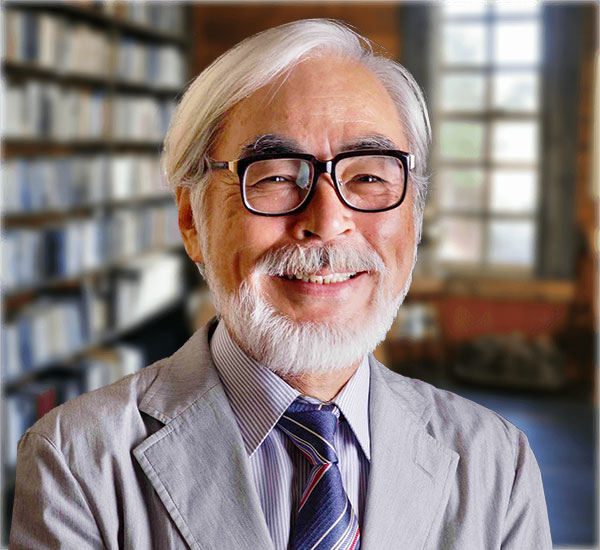 |
| (Pic Source: RAMON MAGSAYSAY AWARD FOUNDATION) |
In a 2016 documentary aired by Japan’s NHK, Studio Ghibli co-founder and legendary director Hayao Miyazaki voiced strong opposition to AI-generated animation. He described it as “extremely disgusting” and called it “an insult to life itself,” firmly stating that he would never use AI in his work.
As the line between human and AI-generated art becomes increasingly blurred, calls for clearer copyright regulations and guidelines are growing louder. Experts emphasize the need for legal and ethical standards that define the role of AI in creative fields and ensure fair compensation for original creators.
Protecting artists' rights while fostering a balanced coexistence between AI technology and the world of art has become a pressing issue in today’s creative landscape.
이민준 강남포스트 학생기자 webmaster@ignnews.kr
<저작권자 © 강남포스트, 무단 전재 및 재배포 금지>
 ‘제3회 역삼1동 어울림 한마당 축제’


