
 |
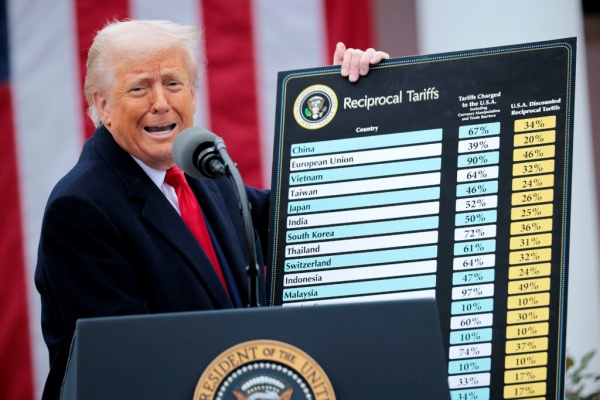
On April 2, 2025, President Donald Trump took to the Rose Garden to unveil a bold new trade policy aimed at what he calls unfair trade practices hurting American businesses. Standing before a banner that read "Make America Wealthy Again," Trump announced a sweeping set of tariffs designed to level the playing field for U.S. companies. He singled out countries like China, the European Union, Canada, Mexico, and South Korea, accusing them of imposing high tariffs on American products while benefiting from U.S. trade policies.
Under the new plan, a blanket 10% tariff will take effect on April 5, 2025, for all U.S. trading partners. However, for countries that Trump considers "Worst offenders," the rates will be significantly steeper, ranging up to 46%, starting April 9. The hardest-hit nations include Vietnam (46%), China (34%), Taiwan (32%), India (26%), South Korea (25%), Japan (24%), and the European Union (20%). China, the United States' largest trading partner, will be particularly affected, as this new tariff comes on top of an existing 10% duty-bringing the total levy on Chinese goods to a staggering 54%. That figure inches closer to Trump's 2024 campaign pledge to slap a 60% tariff on Chinese imports.
 |
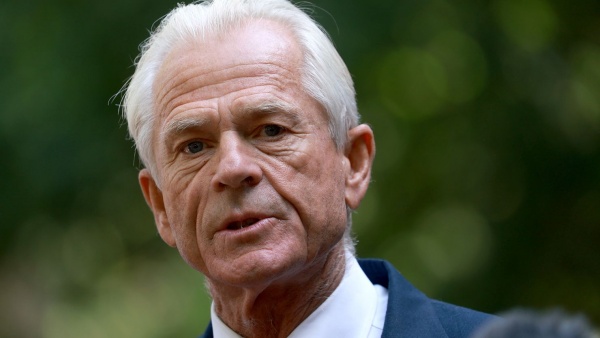 |
Predictably, China wasted no time firing back, condemning the move as 'unilateral protectionism' and vowing to take 'necessary and firm countermeasures' to defend its economy. These countermeasures could include retaliatory tariffs, trade restrictions, or other economic sanctions. White House trade advisor Peter Navarro defended the policy, arguing that China's subsidies and currency manipulation have long given it an unfair advantage. He insisted that these tariffs, revamped trade deals, and more substantial domestic manufacturing would help restore American economic sovereignty.
Not everyone is convinced. Economist Paul Krugman quickly warned that the tariffs could backfire, raising costs for U.S. consumers and businesses, disrupting supply chains, and potentially hurting the economy they protect. He criticized Trump's approach as a misguided attempt to reduce trade deficits, suggesting it could do more harm than good.
For now, the world is watching. As these tariffs take effect, the global trade landscape is shifting, and the economic and political ripple effects are only beginning.
이주형 강남포스트 학생기자 webmaster@ignnews.kr
<저작권자 © 강남포스트, 무단 전재 및 재배포 금지>
 ‘제3회 역삼1동 어울림 한마당 축제’


