
 |
Ainoshima is a popular tourist destination in Japan, especially known to cat lovers as “Cat Island.” On a recent visit, however, I witnessed a heartbreaking reality that most visitors may overlook without realizing.
Ainoshima, a small island in Fukuoka Prefecture, was recently introduced by CNN as one of the “six major cat attractions in the world.” While the exact number of visitors is unknown, estimates suggest that dozens to hundreds of tourists visit the island daily to see the cats. It is estimated that about 150 to 200 stray cats currently live on the island.
During a recent trip to Japan, I visited Ainoshima expecting a peaceful island full of happy and healthy cats. The island is considered a unique destination due to its large population of stray cats. However, the reality was far different from what I had imagined. The island was crowded with tourists, yet had very few residents, making it feel rather empty. Garbage was scattered across the streets, likely due to the heavy influx of tourists every year. The cats, who are the main attraction, appeared weak and sickly. Some suffered from severe eye discharge and could barely see, while many had dirty fur and emaciated bodies, showing signs of poor care. I even saw cat vomit on the ground, with no one around to clean it up.
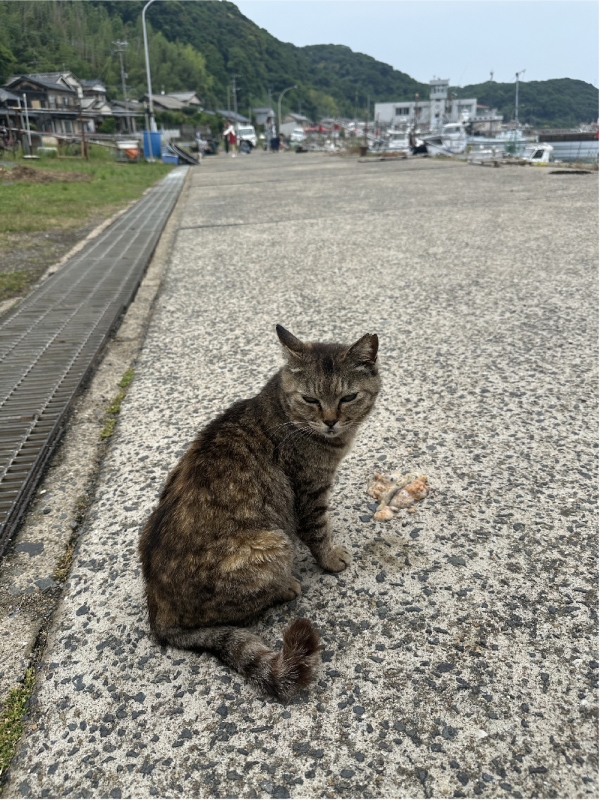 |
Above all, the cats looked extremely thirsty and hungry. When I offered clean water and nutritious food, they rushed over and devoured it quickly.
Of course, there are people trying to make the island work. Some local residents and volunteers regularly provide water and food and also try to control the population through neutering surgeries. However, due to a lack of manpower and resources, it’s difficult to care for all the cats. Continuous external attention and support are needed.
While tourists are encouraged to buy cat snacks and toys from official vendors on the island to support the local community, most people bring food and supplies from outside. As a result, the island struggles to earn the income it needs to care for its cats. Additionally, unregulated food from visitors may harm the cats or contribute to overpopulation.
To truly help, visitors should support official shops on the island and prioritize offering clean water and a safe environment instead of giving stimulating snacks or outside food.
Ainoshima may seem like a paradise for cat lovers, but behind the cute photos and social media posts lies a harsh reality. The island needs a better system to support its cats, and the animals deserve proper care. We must ask ourselves: do we truly care about these animals, or are we simply using them for entertainment and publicity while doing nothing to help?
As tourists, we must reflect on our impact. What can we do to bring about positive change?
박이레 강남포스트 학생기자 webmaster@ignnews.kr
<저작권자 © 강남포스트, 무단 전재 및 재배포 금지>
 ‘제3회 역삼1동 어울림 한마당 축제’


