
 |
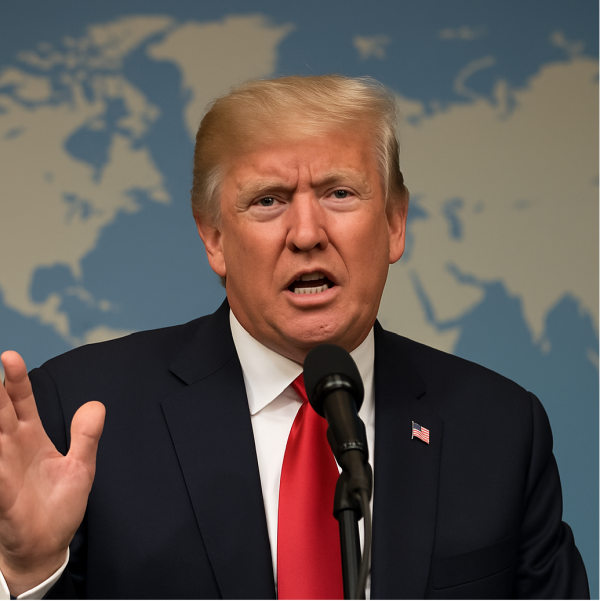
The Trump administration is shaking the foundations of international tax order by challenging the global agreements on digital taxation and the minimum corporate tax rate. This shift poses a serious threat to multilateral tax cooperation and could significantly impact tax competition between global corporations and nations.
The Trump-led US administration has mounted a strong backlash against global agreements on digital taxation and a minimum corporate tax rate, placing significant pressure on the international tax framework. Originally endorsed by over 135 countries under the OECD and G20 in 2021, these agreements aimed to curb tax avoidance by multinational corporations. However, the US, seeking to protect its domestic firms, is now challenging the consensus, destabilizing global tax cooperation.
The global minimum tax was designed to stop profit shifting to low-tax jurisdictions by requiring companies to pay at least 15 percent in corporate taxes worldwide. Digital taxes, meanwhile, target tech giants like Google and Apple, whose foreign profits often go untaxed locally. But Washington argues such measures unfairly single out US firms and infringe on tax sovereignty.
 |
In response, the Trump administration announced it would no longer participate in the OECD framework and signaled possible retaliation through legislative tools like Section 899, which allows for countermeasures against discriminatory foreign taxes. As a result, countries such as Canada and parts of the EU are reconsidering or delaying their digital tax plans, while G7 nations debate exemptions for US companies, clear signs of a fractured global consensus.
Experts warn this trend could lead to a race to the bottom, with countries lowering tax standards to attract investment, risking long-term revenue stability, especially in developing economies. This moment reflects a deeper shift: taxation is becoming a geopolitical battleground. As the US asserts its strategic interests, rebuilding international trust in tax policy becomes an urgent challenge.
The Trump administration’s decision to withdraw from global agreements on digital taxation and the minimum corporate tax rate marks a major turning point in international tax cooperation. These agreements, aimed at preventing tax avoidance and ensuring fair taxation by multinational corporations, are now under threat as the United States prioritizes its national interests. This shift has introduced greater uncertainty into the global economic order, further intensified by the pullback of countries like Canada and some in Europe.
The international community now faces a critical test: whether it can resolve this tax dispute and restore a framework for global cooperation. Tax expert Jinwoo Kim warns that the breakdown of tax coordination could increase global instability and especially harm the fiscal capacity of developing countries. He emphasizes that a cooperative solution is urgently needed.
As the global economy stands at a crossroads, the challenge is clear: how can nations balance national interests with the need for multilateral action?
권인후 강남포스트 학생기자 webmaster@ignnews.kr
<저작권자 © 강남포스트, 무단 전재 및 재배포 금지>
 ‘제3회 역삼1동 어울림 한마당 축제’


