
 |
In April 2025, SK Telecom suffered a major cyberattack that exposed the personal information of more than 25 million people. This incident showed how weak traditional security systems are in stopping modern cyber threats.
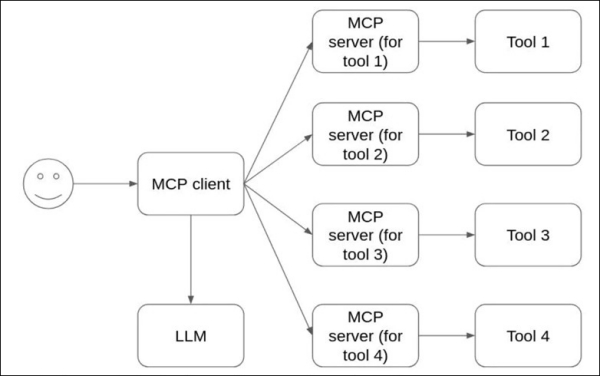
Old security tools rely only on fixed rules and alerts, failing to stop long-running attacks or tricks that fool people into giving up passwords and sensitive information. As an alternative, experts are focusing on AI security solutions powered by MCP (Model Context Protocol). Model Context Protocol (MCP) is an open protocol that enables seamless integration between LLM applications and external tools and data sources. MCP lets large language models directly connect to a company’s security servers and code, allowing AI to understand the context of security events, analyze real-time logs, and automatically take or suggest protective actions when needed.
 |
| Link: https://www.redhat.com/en/blog/model-context-protocol-mcp-understanding-security-risks-and-controls |
For example, if a manager usually logs in only during the day but a login attempt is detected late at night, a traditional system might allow it just because the password is correct. With MCP-based AI, the system would ask: “This login is happening at an unusual time. Should we block it?” If the manager says it’s suspicious, the AI learns from this feedback and can block similar abnormal attempts faster in the future. The AI can also review security code through simple conversation. If an engineer says, “Check if our login code has any weak spots,” the AI can analyze the code, find risks, and suggest safer ways to write it—no complicated reviews or commands needed. This conversational, context-aware security approach allows humans to give instructions in natural language, letting AI directly interact with security systems and take protective actions.
With MCP, companies can cut costs and automate most monitoring and response tasks without needing large security teams, while a few experts handle strategic decisions. The rise of MCP is more than just a tech upgrade—it’s a revolution in cybersecurity culture. Traditional systems followed fixed rules and often missed unusual behavior. MCP, with its subjective anomaly detection, makes predictive security possible, allowing threats to be spotted and handled before they happen.
Companies can maintain strong security with fewer staff, but this shift may change the roles of cybersecurity experts and create social debates over unclear lines of responsibility and authority. Also, as AI takes over more tasks, cybersecurity jobs could decrease, and mistakes or malfunctions by AI could cause even greater damage than older systems. When such damage occurs, it might be unclear who is responsible, leading to legal and ethical problems.
Are we ready to hand over cybersecurity to AI? How will we deal with a future where many security jobs are replaced by machines?
이정명 강남포스트 학생기자 webmaster@ignnews.kr
<저작권자 © 강남포스트, 무단 전재 및 재배포 금지>
 ‘제3회 역삼1동 어울림 한마당 축제’


