
 |
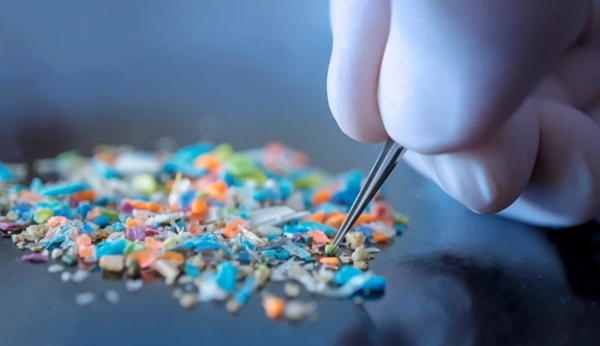
First detected by Richard Thompson on British beaches, microplastics are now being discovered in various parts of the human body, including the blood, brain, lungs, placentas, breast milk, testicles, liver, kidneys, and even bone marrow. Microplastics are defined as tiny pieces of plastic (less than 5 millimetres in size) found in the environment. According to one estimate, 2.7 million tonnes of microplastics seeped into the environment in 2020, a figure expected to double by 2040.
Microplastics are formed through the fragmentation of larger plastic items and through the breakdown of products containing intentionally added microplastics.
After being broken down into small pieces by physical forces and UV radiation, these plastics can enter the human body via contaminated food and water, as well as through inhalation of airborne microplastics.
 |
They are composed of various polymers (e.g. polyethylene, polypropylene, PET) and can contain additives like plasticizers or flame retardants. These polymers resist biodegradation, meaning they do not break down naturally in the environment. While some of the ingested plastic is excreted, some microplastics can accumulate within bodily organs. Accumulation in the body can have toxic effects, such as inflammation, oxidative stress, cell damage, and disruptions to the gut microbiome.
Some research indicates microplastics could also play a role in cardiovascular issues, fertility problems, and neurological effects. Although unavoidable, exposure can be significantly reduced by limiting single-use items, and opting for alternatives like glass, stainless steel, or natural materials. In South Korea, microplastic pollution is being tackled with innovative technologies such as robotic jellyfish for water cleanup and a bottle cap filter to reduce microplastic ingestion.
Microplastics may be small, but their chemical nature and widespread presence raise medical and environmental concerns. How well do we understand the chemistry of microplastics inside our bodies?
전치민 강남포스트 학생기자 webmaster@ignnews.kr
<저작권자 © 강남포스트, 무단 전재 및 재배포 금지>
 ‘제3회 역삼1동 어울림 한마당 축제’


