
 |
For highly skilled workers, such as data scientists, machine learning engineers, and cloud specialists, the AI boom has created intense demand. Salaries in these fields are climbing as companies compete for a limited pool of talent. For others, especially in clerical, administrative, or customer service roles, the outlook is far less optimistic, since automation is replacing many of these jobs and shrinking opportunities.
Economists call this skill-biased technological change. Like earlier waves of automation, the benefits of AI flow mainly to people with advanced skills, while low- and mid-skilled workers face displacement. The result is a growing wage gap, as some groups see rising incomes while others lose job security.
The impact reaches entire industries. In finance, algorithms now handle work once assigned to junior analysts. In retail, AI-powered logistics and self-checkout reduce demand for frontline staff. Even in creative fields, generative AI tools are beginning to compete with entry-level designers and writers. Productivity may rise overall, but the gains are concentrated among employers and investors, not evenly across the workforce.
This shift risks deepening social and regional divides. Tech hubs and urban centers may continue to thrive, while regions dependent on traditional industries struggle with job losses and fewer new opportunities. Inequality will not only separate workers who use AI from those who do not but also spread across sectors and regions.
Policymakers face a clear challenge. AI cannot be treated only as a productivity tool; it is also a labor-market disruptor. Governments will need to expand reskilling programs, support displaced workers, and ensure that the economic gains from AI are shared more broadly. Companies, too, must balance efficiency with responsibility to their employees.
AI does not have to create a world of winners and losers. But if current trends continue, it will. The question now is whether societies will act quickly to close the gap, or allow the technology of the future to lock in the inequalities of the present.
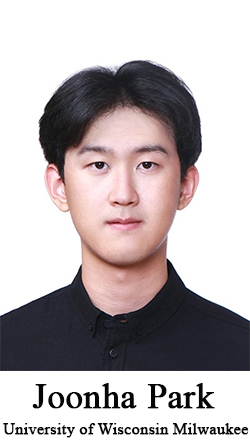
박준하 강남포스트 학생기자 webmaster@ignnews.kr
<저작권자 © 강남포스트, 무단 전재 및 재배포 금지>
 ‘제3회 역삼1동 어울림 한마당 축제’


