
 |
Over 300 of the 475 detainees were from South Korea. Most of the workers had short-term entry permits, such as B-1 visas or ESTA authorizations. These do not permit people to work. According to ICE, many workers were assisting with machine operation, training, and setup; all of which are considered unauthorized labor. This disruption has immediate economic effects. Hyundai announced that projects at the plant may be delayed by two to three months due to the raid. The plant is a major supplier of electric vehicle batteries and also provides local employment opportunities.
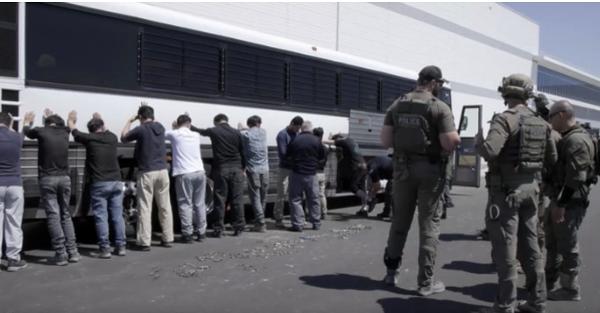 |
The Korean government has begun verifying the visa status of other workers in the U.S. Experts say that this issue may recur because U.S. immigration law does not have a clear visa category for short-term technical work, such as machinery installation or specialized training. Georgia officials want the U.S. to resolve this issue quickly, stating that foreign workers are necessary to complete projects on time and help create local jobs.
This case highlights a significant gap between U.S. visa regulations and the actual needs of international businesses. Opinions on how to address this problem are divided. Some argue that strict rules are necessary to protect U.S. jobs and uphold the law. Others counter that such rules can cause delays and deter foreign investors from investing in the U.S.
Hyundai-LG’s project brings both significant financial benefits and local jobs, yet it also relies on skilled foreign workers. Now the U.S. faces a crucial choice: how to balance job protection with support for global companies that invest in the U.S. How the U.S. resolves this tension will shape the future of both domestic employment and international investment.
박예은 강남포스트 학생기자 webmaster@ignnews.kr
<저작권자 © 강남포스트, 무단 전재 및 재배포 금지>
 ‘제3회 역삼1동 어울림 한마당 축제’


