
 |
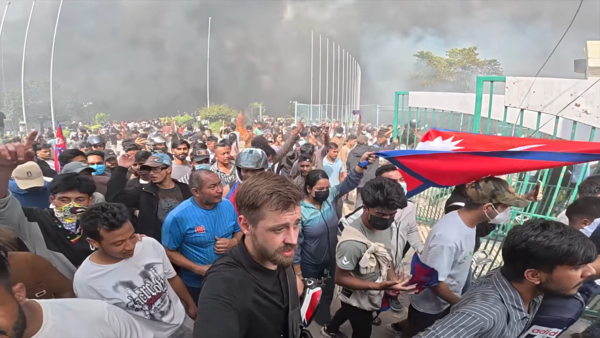
Nepal’s younger generation is no longer passive. From the streets of Kathmandu to social media platforms, they are demanding transparency, accountability, and progressive leadership. Many don’t see the government’s collapse merely as political failure — instead, they see it as a chance for real reform and generational change. “We’re not just angry,” says 23-year-old student activist Asha Bhandari. “We’re organized, we’re informed, and we’re ready to act.”
This trend is not unique to Nepal. Across Asia, the MZ generation is expanding its political and cultural influence. In South Korea, youth-led political movements are reshaping national discourse. In Malaysia and Thailand, young voters are challenging entrenched political elites. Through social media, grassroots organizing, and the ballot box, Asia’s youth are making it clear: they will no longer remain silent.
Social media has become the driving force behind this movement. Hashtags like #MZForChange and #AsianYouthVoices are uniting calls for political transparency, environmental justice, and economic fairness. These digital platforms are helping to forge a shared identity among young people across borders — a generation that is more connected, more vocal, and more engaged than ever before.
Experts believe this shift could mark a turning point for politics in Asia. This is no longer a generation waiting for change — it’s one determined to create it. What began as a call for accountability in Nepal now signals a broader transformation across the continent.
Ultimately, the collapse of Nepal’s government is not merely a domestic political incident — it may be an early signal of a larger generational shift across Asia. There's growing recognition that the old structures and language of politics can no longer define the future, and the MZ generation is already taking action.
They are not just reacting in anger. They are demanding structural change and building a new political culture grounded in participation and solidarity. This generational movement is fast becoming an unstoppable tide.
Asia’s political and social systems are at a crossroads — and the voices of the youngest generation can no longer be ignored. The change has already begun, and it is the MZ generation leading the way forward.
 |
네팔 정권 붕괴와 아시아권 MZ세대의 목소리
예상치 못한 정치적 격변 속에서 네팔의 연립정부가 붕괴하며 국가는 다시금 불안정한 상황에 빠졌다. 핵심 정당의 연정 탈퇴로 무너진 이번 정권은 오랫동안 쌓여온 부패, 무능한 통치, 경제 침체에 대한 국민의 분노 속에서 무너졌다. 히말라야의 작은 나라는 불확실한 미래를 마주하고 있지만, 이 혼란 속에서 아시아 전역에 걸쳐 점점 더 또렷하게 들리는 세대의 목소리가 있다. 바로 밀레니얼과 Z세대가 결합된 MZ세대의 외침이다.
네팔의 젊은 세대는 이제 더 이상 관망하지 않는다. 카트만두의 거리부터 SNS 플랫폼까지, 그들은 투명성과 책임감, 그리고 미래지향적인 리더십을 요구하고 있다. 많은 이들은 이번 정권 붕괴를 단순한 정치적 실패로 보지 않는다. 오히려 진정한 개혁과 세대교체를 위한 기회로 받아들이고 있다. 23세 학생운동가 아샤 반다리는 “우리는 단지 화난 것이 아니다. 우리는 조직되어 있고, 정보를 알고 있으며, 행동할 준비가 되어 있다”라고 말했다.
이러한 흐름은 네팔만의 일이 아니다. 아시아 전역에서 MZ세대는 정치·문화적으로 자신들의 영향력을 확대해가고 있다. 한국에서는 청년 중심의 정치 움직임이 국가적 담론을 변화시키고 있고, 말레이시아와 태국에서는 젊은 유권자들이 기성 정치 세력에 도전장을 내밀고 있다. SNS 활동, 풀뿌리 조직, 그리고 투표를 통해 아시아의 청년들은 더 이상 침묵하지 않겠다는 의지를 분명히 하고 있다.
소셜미디어는 이 움직임의 핵심 도구로 자리 잡았다. #MZForChange, #AsianYouthVoices 같은 해시태그는 정치적 투명성, 환경 정의, 경제적 공정성을 위한 목소리를 하나로 연결하고 있다. 이러한 디지털 플랫폼은 국경을 넘어 아시아 청년들 간의 공동 정체성을 형성하는 데 기여하고 있다. 이전보다 더 연결되고, 더 목소리를 내며, 더 참여적인 세대가 떠오르고 있는 것이다.
전문가들은 이러한 변화가 아시아 정치의 전환점을 만들 수 있다고 본다. 변화를 기다리는 것이 아니라, 스스로 만들어내려는 세대가 등장한 것이다. 네팔에서 시작된 이 세대의 외침은 이제 단지 한 국가의 문제가 아니라 아시아 전역에 보내는 신호로 읽힌다. 다음 세대는 준비되어 있고, 이미 그 목소리를 높이고 있다.
결국, 네팔의 정권 붕괴는 단순한 정치적 사건이 아니라, 아시아 전역에서 감지되는 세대 교체의 전조일 수 있다. 더는 과거 세대의 방식과 언어로는 미래를 설계할 수 없다는 인식이 확산되고 있으며, MZ세대는 이를 행동으로 옮기기 시작했다.
이들은 단순히 분노하는 데 그치지 않고, 구조적 변화를 요구하며, 참여와 연대를 통해 새로운 정치 문화를 만들어가고 있다. 이 세대의 흐름은 이제 거스를 수 없는 시대적 흐름이다. 아시아의 정치와 사회는 지금, 가장 젊은 세대의 목소리에 귀 기울이지 않으면 안 되는 시점에 와 있다. 변화는 이미 시작되었고, 그 방향은 MZ세대가 이끌고 있다.
하이디 강남포스트 학생기자 webmaster@ignnews.kr
<저작권자 © 강남포스트, 무단 전재 및 재배포 금지>
 ‘제3회 역삼1동 어울림 한마당 축제’


