
 |
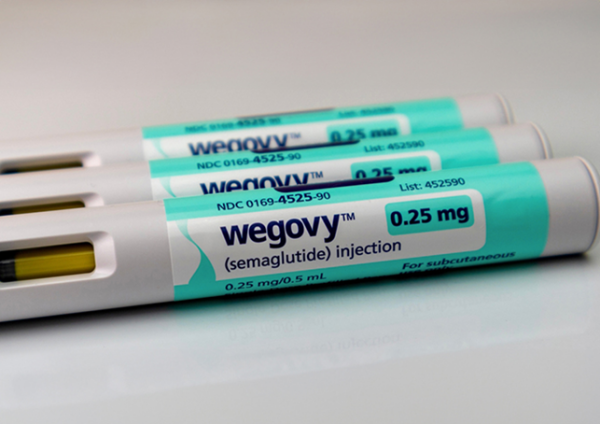
Wegovy (semaglutide), launched on June 4, 2021, is a once-weekly injectable prescription medication for chronic weight management in adults with obesity or those who are overweight with at least one weight-related condition. As millions of people worldwide continue to battle obesity, Wegovy is gaining global attention, reaching over 200,000 prescriptions in the U.S. alone.
Wegovy is a synthetic, long-lasting version of glucagon-like peptide-1 (GLP-1), a natural gut hormone that helps control blood sugar and appetite after a meal. Semaglutide binds to GLP-1 receptors in the brain and pancreas, which slows stomach emptying, reduces appetite, increases feelings of fullness, and promotes insulin secretion. This helps lower food intake and control blood sugar, leading to weight loss.
 |
The results are striking. After just one year, adults taking Wegovy lost 15% of their weight on average, compared to a 2.5% loss among those taking a placebo. Overall, 83% of adults taking Wegovy lost 5% or more of their weight after 68 weeks. Additionally, Wegovy has been shown to reduce the risk of heart attack, stroke, and cardiovascular death in adults who are overweight.
However, Wegovy’s chemistry has raised some concerns. Mild side effects include nausea, vomiting, stomach pain, fatigue, heartburn, and a runny nose or sore throat. In addition to these common side effects, Wegovy also carries a rare risk of thyroid tumors and thyroid cancer based on rodent studies, though its relevance to humans is still undetermined, prompting the FDA to issue a safety warning.
In South Korea, demand for Wegovy is high despite low obesity rates, raising concerns that Wegovy may be misused for purely aesthetic purposes rather than for medical weight management. With careful science and ethical guidance, drugs like Wegovy can redefine how society approaches chronic diseases.
전치민 강남포스트 학생기자 webmaster@ignnews.kr
<저작권자 © 강남포스트, 무단 전재 및 재배포 금지>
 ‘제3회 역삼1동 어울림 한마당 축제’


