
 |
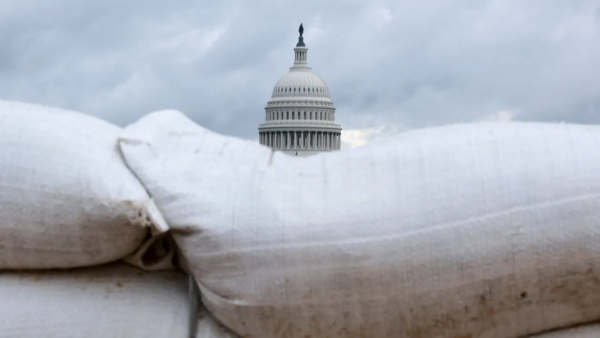
The U.S. federal government has entered its 10th day of partial shutdown after Congress once again failed to reach an agreement on a new budget. The continued standoff between Republicans and Democrats has paralyzed parts of the government and further eroded public trust in American politics.
Lawmakers remain sharply divided over discretionary spending levels and funding for border security—key issues that have prevented passage of a spending bill for the new fiscal year. As a result, several federal agencies have halted operations, keeping only essential personnel for limited operations.
The prolonged shutdown is taking a growing toll. National parks and museums have been closed, nutrition assistance programs for low-income families are being delayed due to a lack of funding, and airport security lines have grown longer as staffing shortages worsen. Economists warn that the longer the shutdown continues, the greater the economic damage will be, with billions of dollars in losses expected from reduced productivity and lower consumer spending.
 |
The political fallout is also intensifying. A recent survey found that only one in five Americans believes Congress is acting in the public’s best interest. The political paralysis has also stalled efforts to address inflation and climate policy, leaving major national issues unresolved.
A political analyst in Washington noted, “If the United States cannot even manage its own government, it risks losing its leadership role in the world.” As the shutdown enters its 10th day, congressional leaders are attempting to restart negotiations. However, with both parties still far apart, a swift resolution appears unlikely.
Observers say the ongoing crisis will test whether American democracy can restore stability, trust, and leadership amid deep political division.
하이디 강남포스트 학생기자 webmaster@ignnews.kr
<저작권자 © 강남포스트, 무단 전재 및 재배포 금지>
 ‘제3회 역삼1동 어울림 한마당 축제’


