
 |
In recent years, melatonin supplements, especially in forms like gummies, have gained popularity among teenagers and young adults. Teens are often exposed to melatonin through peer influence and social media, leading to self-prescription and use without adult supervision. Between 2012 and 2021, melatonin ingestion among children in the U.S. increased by 530%, and the numbers have continued to rise.
Melatonin is a hormone produced by the brain's pineal gland, a small gland in the center of the brain. It regulates the body's sleep-wake cycles, rising in the evening and decreasing in the morning. Chemically, it is synthesized from the amino acid tryptophan. Once it is produced, it acts as a chemical messenger, binding to receptors in the brain to signal that it is time to sleep and to lower body temperature and blood pressure.
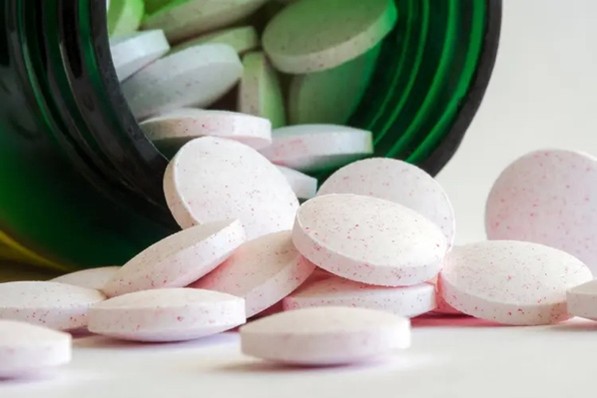 |
Structurally, melatonin is a small, amphiphilic molecule with the chemical formula C13H16N2O2. Due to its unique characteristic of being both highly lipid-soluble (fat-soluble) and water-soluble, it can readily pass through most biological membranes.
While melatonin is generally considered safe for short-term use in teenagers when used appropriately, overuse or misuse can cause various side effects such as hormonal disruption, headaches, mood changes, nightmares, and hypotension (low blood pressure). In South Korea, melatonin is officially classified as a prescription drug, not a dietary supplement. It is strictly regulated and cannot be purchased over-the-counter at local pharmacies or stores without a doctor's prescription.
Melatonin may offer a quick solution for a sleepless night, but its growing popularity among youth raises potential health concerns. Encouraging a deeper understanding of sleep can help young people make healthier choices.
전치민 강남포스트 학생기자 webmaster@ignnews.kr
<저작권자 © 강남포스트, 무단 전재 및 재배포 금지>
 ‘제3회 역삼1동 어울림 한마당 축제’


