
 |
The United States Mint has officially stopped producing the penny, ending over 230 years of circulation for America’s smallest coin. The Treasury Department announced that the final batch of pennies was minted in November 2025.
According to officials, the decision was made because the cost of producing pennies has exceeded their actual value for years. It currently costs nearly four cents to manufacture a single one-cent coin, leading to millions of dollars in annual losses for the government. The Treasury estimates that halting penny production will save approximately $50 million per year. Economists have supported the move, calling it a practical step toward modernizing the nation’s currency system.
The use of physical cash has declined in recent years. Electronic payment systems, including credit cards and mobile applications, have increasingly replaced physical cash in everyday transactions. As a result, demand for small coins has decreased significantly. Pennies can still be used for purchases and bank deposits. However, since no new coins will enter circulation, their presence in everyday transactions will gradually fade. Some stores may round prices to the nearest five cents.
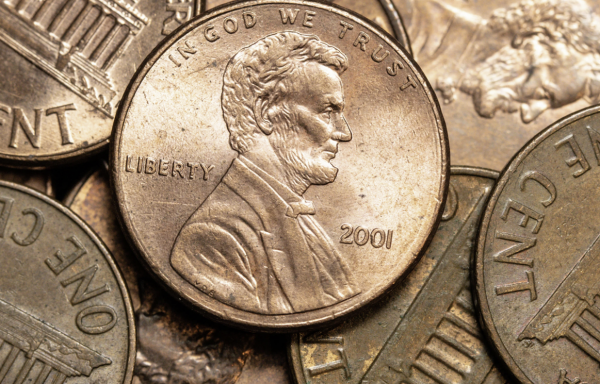 |
The decision drew mixed reactions from the public. Supporters of the decision view it as an efficient financial reform, while critics argue that the penny represents a piece of American history and identity. The coin, featuring President Abraham Lincoln since 1909, has long been a familiar symbol in American life.
The Treasury emphasized that the change reflects broader economic and technological shifts, marking a new chapter in the evolution of American currency. As digital payments continue to replace coins and bills, many see this moment as a sign of how rapidly the modern economy is changing. For some, the end of the penny is a symbol of progress. For others, it represents the fading of a piece of American tradition.
박예은 강남포스트 학생기자 webmaster@ignnews.kr
<저작권자 © 강남포스트, 무단 전재 및 재배포 금지>
 ‘제3회 역삼1동 어울림 한마당 축제’


