
 |
On September 1, 2025, the European Union (EU) officially banned trimethylbenzoyl diphenylphosphine oxide (TPO), a chemical commonly used in gel nail polishes. The decision quickly drew significant attention and sparked debates about chemical safety in beauty products, as the ingredient has been enjoyed by millions – including teenagers and young adults.
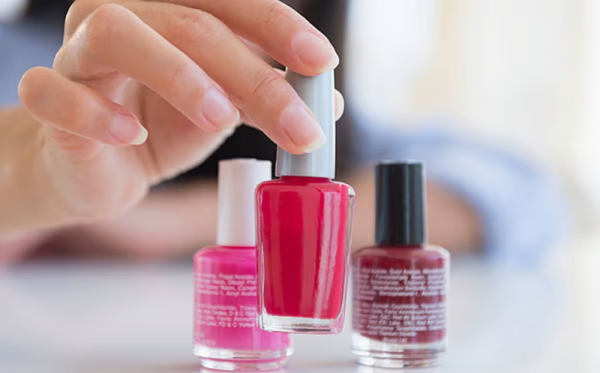
TPO is a photoinitiator in gel nail polish, meaning it triggers a chemical reaction when exposed to UV or LED light, allowing gel polish to harden quickly and last for weeks.
While effective in creating durable nails, TPO is classified as a suspected carcinogen. It can potentially cause genetic mutations when absorbed through the skin or inhaled during application.
 |
Chemically, TPO is a compound made of a phosphorus atom bonded to two phenyl rings and a trimethylbenzoyl group. This structure makes it highly reactive under UV radiation, making it ideal for rapid hardening. However, the same reactivity also contributes to its toxicity, if not handled carefully. Studies suggest that prolonged exposure may increase the risk of DNA damage in skin cells, raising long-term health concerns.
Despite concerns, TPO is still legal in many other countries, including South Korea and the United States. Many salons and gel nail kits continue to use products with TPO due to its efficiency. While some people see the ban as an opportunity to advocate for cleaner ingredients, others argue that the alternatives to TPO – such as BPO (benzoyl peroxide) – are less effective or more expensive.
As young consumers become more ingredient-savvy, understanding the chemistry behind everyday beauty products is becoming more important than ever. What’s really hiding under your polish?
전치민 강남포스트 학생기자 webmaster@ignnews.kr
<저작권자 © 강남포스트, 무단 전재 및 재배포 금지>
 ‘제3회 역삼1동 어울림 한마당 축제’


