
 |
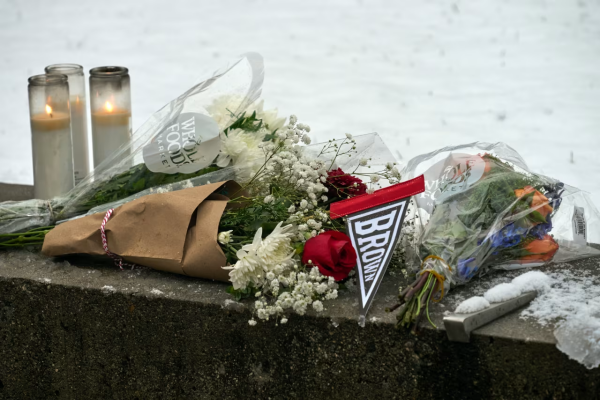
Gun violence has become an all-too-familiar presence in the United States, repeatedly leaving communities to absorb shock, grief, and lasting trauma. The recent shooting at Brown University in Providence, Rhode Island, follows this troubling pattern, rattling both the campus and the surrounding community.
The shooting took place inside a campus building when students were inside, abruptly dismantling the sense of safety commonly associated with a university setting. The sound of gunfire prompted an immediate emergency response, including evacuation orders across campus. Authorities later confirmed that multiple people were killed and injured, a revelation that sent waves of fear and disbelief through students, faculty members, and local residents.
In the early hours of the investigation, police detained a man in his twenties near the scene and identified him as a person of interest. Initially, the move suggested swift progress. That impression quickly faded when investigators acknowledged that they lacked direct evidence linking him to the shooting.
 |
The individual was released, leaving the case without a clear suspect and raising questions about the direction of the inquiry. Information about the detained man had already circulated publicly, and his release intensified criticism of the investigative process. Observers argued that focusing too quickly on a single individual not only weakened the investigation but also risked causing lasting harm to someone who may have had no connection to the crime.
In response to the incident, Brown University announced plans to strengthen security and review its campus safety procedures. While these measures may offer some reassurance, many experts emphasize that they address only the immediate aftermath. Gun violence continues to penetrate spaces once assumed to be secure—schools, workplaces, and public institutions—highlighting a crisis that extends far beyond any single campus. As these tragedies continue to unfold, calls for comprehensive and systemic solutions are growing louder—demands that move beyond temporary measures and confront the deeper roots of a problem that shows no sign of fading.
하이디 강남포스트 학생기자 webmaster@ignnews.kr
<저작권자 © 강남포스트, 무단 전재 및 재배포 금지>
 ‘제3회 역삼1동 어울림 한마당 축제’


