
 |
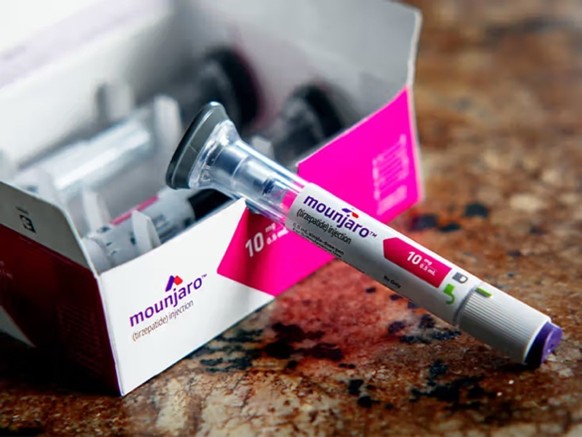
Approved by the U.S. Food and Drug Administration in 2022, Mounjaro (tirzepatide) was developed to treat type 2 diabetes. However, this injectable drug has recently gained widespread attention for a different reason—its significant weight loss effects. As its popularity grows, especially in countries like the United States and South Korea, significant questions and concerns are being raised about how the drug works and the associated risks.
Mounjaro is a prescription medication designed to improve blood sugar control in adults with type 2 diabetes, often resulting in weight loss as a side effect. Chemically, Mounjaro is a 39-amino acid synthetic peptide that mimics two distinct natural hormones in the body that regulate blood sugar and appetite: glucagon-like peptide-1 (GLP-1) and glucose-dependent insulinotropic polypeptide (GIP). By binding to GLP-1 and GIP receptors, it activates both hormonal pathways at the same time, effectively lowering blood sugar and reducing constant cravings.
 |
While highly effective for blood sugar control and weight management, Mounjaro has potential side effects. The most frequent side effects include nausea, diarrhea, vomiting, and stomach pain. Additionally, the drug has a boxed warning because it caused thyroid tumors in animal studies, though it is unknown whether it causes thyroid tumors in humans.
Despite its benefits, access to Mounjaro varies across countries. In countries like South Korea, the drug is primarily indicated for diabetes, limiting its use for weight loss purposes. As a result, many people must pay out of pocket to use it for weight management.
As medications like Mounjaro reshape how society approaches weight loss, it is becoming important to understand the chemistry and biology behind these drugs. How much do we really understand about the science behind them?
전치민 강남포스트 학생기자 webmaster@ignnews.kr
<저작권자 © 강남포스트, 무단 전재 및 재배포 금지>
 ‘제3회 역삼1동 어울림 한마당 축제’


