
 |
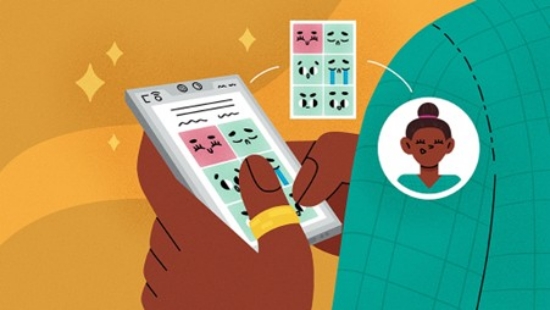
Mental health content is everywhere online in 2025. From short videos explaining ADHD to posts about anxiety symptoms, more people are turning to social media to understand themselves. But this raises a key question: is this increasing awareness or creating a culture of self-diagnosis?
According to a 2025 report by the American Psychological Association, more young people are using online platforms as their first source of mental health information rather than consulting professionals. Platforms like TikTok and Instagram have made psychological concepts more accessible, often through short, relatable content.
A 2025 article by the BBC reported that hashtags related to ADHD and anxiety have gained billions of views, showing how widely these topics are discussed. For many users, this content provides validation and helps them recognize symptoms they may have ignored. In this sense, self-diagnosis can act as a starting point for seeking help.
 |
However, experts warn that the trend also carries risks. According to the American Psychiatric Association, mental health conditions require careful clinical assessment, and symptoms often overlap across disorders. Online content can oversimplify complex conditions, leading individuals to misinterpret normal emotions as disorders or adopt inaccurate labels.
The rise of self-diagnosis reflects a generation that is more open about mental health than ever before. While social media has made awareness more accessible, it cannot replace professional evaluation. In 2025, the challenge is not just understanding mental health, but learning how to navigate information responsibly.
고은별 강남포스트 학생기자 webmaster@ignnews.kr
<저작권자 © 강남포스트, 무단 전재 및 재배포 금지>
 ‘제3회 역삼1동 어울림 한마당 축제’


