
 |
In recent years, South Korea has experienced a growing debate over teachers’ rights, commonly referred to as gyogwon in Korean. Concerns regarding excessive complaints from parents, classroom disruptions, and declining respect toward teachers have intensified nationwide. These debates became especially prominent after several highly publicized cases involving teachers facing emotional stress and workplace pressure.
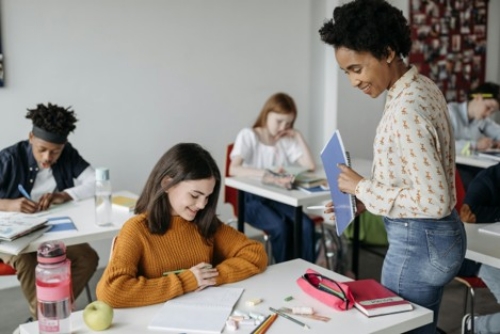
According to recent studies, the forms of violations of teachers’ rights vary depending on the school level. In elementary schools, many cases involve aggressive interference from parents, while in middle and high schools, conflicts related to disciplinary actions are more common. Researchers argue that different educational environments require different approaches to protecting teachers’ authority.
 |
Public concern over the issue increased sharply after the courts began to recognize repeated and unreasonable parental interference as an infringement of teachers’ rights. In one notable case, the Supreme Court ruled that a parent’s repeated demands to replace a homeroom teacher constituted improper interference in educational activities. The ruling emphasized that teachers’ professional judgment should be respected within the classroom.
As the debate expanded, the South Korean government introduced several measures aimed at restoring classroom order. The Ministry of Education announced that students who intentionally disrupt lessons by ignoring instructions, wandering around the classroom, or repeatedly disturbing others could be considered violations of teachers’ rights.
Supporters of the policy argue that such measures are necessary to protect both teachers’ authority and students’ right to learn. Critics, however, warn that stricter regulations alone may increase conflict between schools, students, and parents.
 |
Educational researchers also point out that the issue is not simply about discipline but about balancing teachers’ authority with students’ rights. Some scholars argue that modern education has increasingly emphasized individual freedom while weakening teachers’ professional authority. They stress that healthy education requires both respect for students and recognition of teachers’ educational expertise.
The controversy has revealed deeper concerns about South Korea’s highly competitive education system. Many teachers report feeling emotionally exhausted and unsupported, while students and parents continue to experience intense academic pressure. Experts suggest that long-term solutions should include not only stronger legal protections for teachers but also improved communication between schools and families, as well as broader reforms to the educational environment itself.
김예주 강남포스트 학생기자 webmaster@ignnews.kr
<저작권자 © 강남포스트, 무단 전재 및 재배포 금지>
 ‘제3회 역삼1동 어울림 한마당 축제’


