
 |
A crisis can force a company to make decisions that would have seemed unthinkable only weeks earlier. For Airbnb, the COVID-19 pandemic was not simply a difficult period. It threatened the survival of a business built around people traveling and staying in other people’s homes.
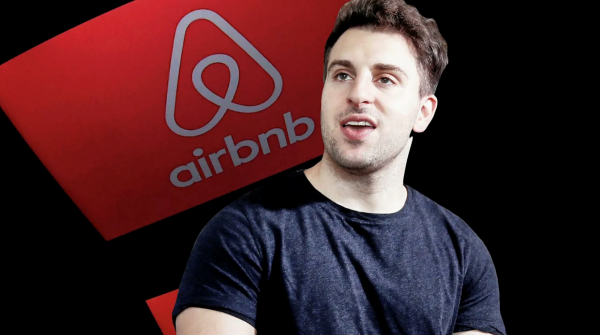
In a July 2021 interview with James Manyika for McKinsey & Company’s Inside the Strategy Room podcast, Airbnb co-founder and CEO Brian Chesky described how quickly the company’s circumstances changed. “Within eight weeks, our business dropped 80 percent,” he said. Airbnb had been preparing for continued growth and a possible initial public offering, but the sudden collapse of global travel forced its leaders to reconsider almost every part of the business.
Chesky explained that one of the first lessons he learned was that leaders must act more quickly during a crisis, instead of slowing down. Because conditions were changing rapidly, the company also needed to communicate more frequently with its employees. When it was impossible to predict what would happen next, Chesky believed that decisions should be guided by clear principles rather than uncertain forecasts.
 |
To survive, Airbnb decided to become smaller and more focused. It reduced its investment in transportation, travel content, hotels, and luxury services so that it could return its attention to its core home-sharing business. In May 2020, Airbnb announced that nearly 1,900 of its 7,500 employees, around 25 percent of its workforce, would leave the company. While the layoffs were severe, Chesky also focused on how departing employees would be treated. According to Airbnb’s public letter to its employees, workers in the United States received at least 14 weeks of base pay and 12 months of health insurance coverage. Departing employees were allowed to keep their company laptops, and Airbnb created a public alumni directory to connect them with potential employers. Part of the company’s recruiting team was also reassigned to help former employees find new jobs.
At the same time, Airbnb began responding to changing travel patterns. Chesky said that search data in May 2020 showed unexpected signs of recovery. People were still avoiding international and business travel, but many wanted to take shorter trips closer to home and spend time with close friends or family. Airbnb introduced its “Go Near” campaign and worked with former U.S. Surgeon General Vivek Murthy to develop an enhanced cleaning protocol for hosts. Just a few months earlier, some people had questioned whether Airbnb could survive the crisis. However, the company successfully resumed its plans to enter the public market and completed its initial public offering in December 2020. Airbnb’s survival does not mean that every crisis will end successfully. Its experience instead shows that overcoming uncertainty may require a company to abandon promising projects, make painful decisions, and clearly identify what is essential to its business. For Airbnb, the crisis became a test not only of its business model, but also of how its leadership treated people while the company was under pressure.
조건휘 강남포스트 학생기자 webmaster@ignnews.kr
<저작권자 © 강남포스트, 무단 전재 및 재배포 금지>
 ‘제3회 역삼1동 어울림 한마당 축제’


