
 |
Modern companies try to appeal to Generation Z by using internet slang, following trending topics on social media, or producing content that seems like it was made by a teenager. However, Flipkart took a totally different approach to advertising its product line. In September 2026, Flipkart released its marketing campaign asking consumers a very simple question: “Are you really Gen Z?”
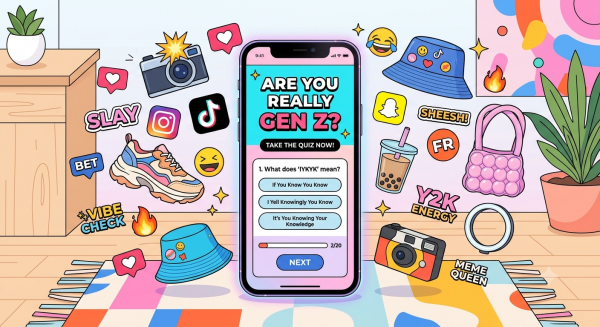
Flipkart came up with a marketing campaign prior to its annual Big Billion Days Shopping Festival, which starts on October 9. While it could have used popular trends in its marketing campaign for Generation Z, Flipkart took this a step further by integrating its knowledge of Gen Z trends into the campaign content. Customers would be required to take a quiz online about Gen Z fashion, makeup, internet culture, and other trends. Those who pass the quiz would then get special discounts.
 |
| This image was generated using AI |
This strategy came about because of the issues marketers face in approaching Generation Z audiences. Today, Generation Z customers have become highly aware of brands trying too hard to appear cool. Internet slang, including terms like “rizz” or “no cap,” can appear unnatural when companies adopt those phrases. The Flipkart campaign makes fun of this issue, where consumers have to prove they belong to Generation Z instead of companies forcing themselves into this culture.
This approach encourages consumer engagement prior to the shopping event launch. Consumers will not simply be viewing an ordinary advertisement and scrolling through their newsfeeds. They have something more engaging to do, which involves completing a challenge, sharing it, and finding out if they qualify for the rewards offered. Here, the audience becomes active participants in this marketing process rather than passive recipients of ads.
Flipkart's marketing reflects the changes in Gen Z marketing trends. Today's young people are continuously exposed to advertisements on the internet, which makes it harder for brands to capture their interest. Engaging campaigns provide people with reasons to participate while generating content they can share on social media.
This raises another question about brand communication with the younger generation. Rather than mimicking the language used by Gen Z, Flipkart uses cultural knowledge about Gen Z and makes jokes about it. In this way, brands can learn about engaging young people in conversations by either joining current trends or playfully commenting on them.
지연우 강남포스트 학생기자 webmaster@ignnews.kr
<저작권자 © 강남포스트, 무단 전재 및 재배포 금지>
 ‘제3회 역삼1동 어울림 한마당 축제’


