
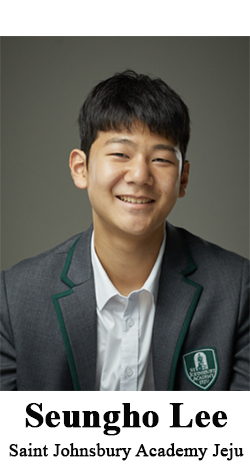
 |
In March 2026, Jeju City signed an agreement with the Lao Ministry of Labor to bring in 50 workers for the fishing industry. The reason for the agreement was a labor shortage, but there is a contradiction in this situation: Jeju City's neglect of refugees who have trouble finding jobs due to the short period of stay allowed under a G-1 visa.
A G-1 visa, which grants humanitarian status, requires holders to renew it each year. That short period forces employers to take the risk of their employees being deported, so the time and effort employers have invested in hiring them could be wasted within a year. Hence, people under humanitarian protection can hardly get stable jobs. However, ironically, the employment period for Lao workers was eight months, which is long enough to hire these people instead.
The questionable aspect of humanitarian status is that there is no difference in treatment between those who have stayed in South Korea for years and foreign workers who will return to their home countries. This can be related to how Korean citizens perceive foreign workers: 55% of Korean citizens responded negatively to allowing foreign workers to work in Korea (Ipsos Global Trends).
If there are employment opportunities for people with G-1 visas, South Korea's labor market could benefit. According to the NANCEN Refugee Rights Center, about 86% of refugees received B- and C-type visas. In other words, people with G-type visas account for at most 14%.
Additionally, there are about 1.109 million foreign residents in South Korea, according to KOSIS.
As a solution to both concerns about foreign workers and labor shortages in Korea's labor market, extending the permitted period of stay could be a compromise. Germany, facing a similar problem, allowed people under "subsidiary protection" to stay for up to three years instead of one year. Eventually, the employment rate increased from 49% to 57% by 2024.
일손 부족에 시달리는 제주, 수년째 체류 중인 난민은 외면
2026년 3월, 제주시가 어업 분야의 일손 부족을 해소하기 위해 라오스 노동부와 업무협약(MOU)을 체결하고 계절근로자 50명을 도입하기로 했다. 인력난 해소를 명목으로 내걸었으나, 정작 수년째 한국에 머물며 일자리를 구하지 못하는 인도적 체류자(G-1 비자 소지자)들은 외면하고 있어 정책적 모순이라는 지적이 나온다.
인도적 체류 허가에 해당하는 G-1 비자는 매년 체류 기간을 연장해야 하는 한계가 있다. 이처럼 짧은 체류 기간은 고용주에게 강제 출국 및 이직에 따른 위험을 부담시켜 인도적 체류자들이 사실상 안정적인 일자리를 얻기 어렵게 만든다. 반면, 이번에 도입되는 라오스 근로자의 계약 기간은 8개월에 불과하다. 이미 국내에 정착한 인력을 활용하기에도 충분한 기간임에도 해외 인력에만 의존하는 역설적인 상황이 발생한 것이다.
또한 수년간 한국에 거주하며 적응해 온 인도적 체류자가 단기 체류 후 귀국할 외국인 근로자와 차별화되지 않는 처우를 받는 점도 문제로 지적된다. 이는 외국인 노동자에 대한 대중의 인식과도 연결된다. 입소스 글로벌 트렌드 조사에 따르면 한국 국민의 55%가 외국인 노동자의 취업 허용에 대해 부정적으로 응답했다.
G-1 비자 소지자들에게 실질적인 취업 기회가 제공된다면 국내 노동시장의 인력난 완화에도 기여할 수 있을 것으로 보인다. 난민인권센터(NANCEN) 자료에 따르면 2019년 기준 난민의 약 51%는 B계열 비자를, 약 35%는 C계열 비자를 소지하고 있어 G계열 비자 소지자는 최대 14% 수준에 불과하다. 아울러 통계청 국가통계포털(KOSIS)에 따르면 2012년부터 2025년까지 국내 등록 외국인 수는 약 110만 9천 명에 달한다.
외국인 인력 유입에 대한 우려와 국내 일손 부족 문제를 동시에 해결할 수 있는 현실적인 대안으로는 '체류 허가 기간 연장'이 꼽힌다. 유사한 인력난을 겪은 독일의 경우, 인도적 체류자에 해당하는 '보조적 보호(Subsidiary Protection)' 대상자의 체류 기간을 기존 1년에서 최대 3년으로 연장했다. 그 결과 2024년 기준 해당 인력의 고용률이 49%에서 57%로 크게 상승하는 성과를 거두었다.
이승호 강남포스트 학생기자 webmaster@ignnews.kr
<저작권자 © 강남포스트, 무단 전재 및 재배포 금지>
 ‘제3회 역삼1동 어울림 한마당 축제’


