
 |
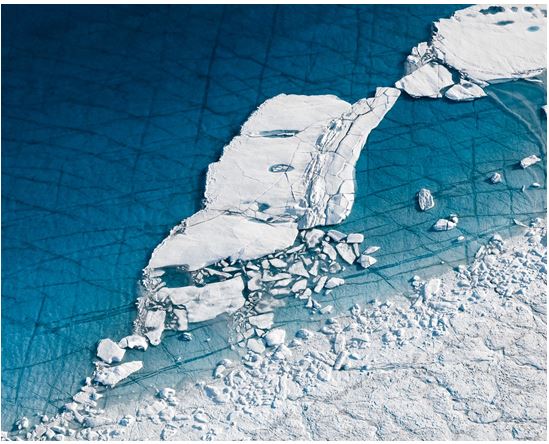
About 80% of Greenland's surface is covered by the Greenland ice sheet. Globally, the sea level would increase by around 7.2 meters if all the ice sheets melted. With temperatures hovering above 60 degrees, the ice sheet is melting quickly as a result of global warming and increasingly warm weather. Six billion tons of water per day were evaporated in just two days in July. According to the article Nature Climate Change, the sea level will rise by at least 10 inches at the current rate of ice melting. The loss of ice in Greenland, according to experts, cannot be stopped even if all heat emissions were to halt immediately.
According to scientists from the Geological Survey of Denmark and Greenland, changes in the ice sheet's volume were mostly caused by water runoff from the ice. According to experts' estimates, the Greenland ice sheet will lose roughly 110 metric tons as it continues to melt. This estimate, nevertheless, is only a minimal one for Greenland. More ice will melt and raise sea levels if the climate or ocean temperatures continue to climb.
 |
| Image: https://mymodernmet.com/tom-hegen-two-degrees-celsius/ |
Several scientists have agreed that major changes in the sea level will occur sometime this century. Especially if the surrounding temperature continues to get warmer, extreme melting will continue to occur and devastating changes in sea levels will rise. As climate change accelerates and sea levels rise, it is hard to adapt to the changes it brings, and emission levels should be brought down as soon as possible.
이예인 강남포스트 학생기자 webmaster@ignnews.kr
<저작권자 © 강남포스트, 무단 전재 및 재배포 금지>
 ‘제3회 역삼1동 어울림 한마당 축제’


